
Remote Control ATVs for Kids Factories: Safe, OEM Ready?
Inside the supply chain of kids’ ride-on power toys: a candid look at remote control atvs for kids factories
If you’ve ever watched a 4-year-old light up on a mini quad or SUV-style ride-on, you know why this niche keeps growing. To be honest, the real action happens a few thousand miles away—on the factory floor. I spent time speaking with suppliers in Hebei and Zhejiang, and one consistent theme emerged: parents want safety and control, kids want torque and colors. The 2022 “N6688” from Pingxiang (Hebei, China) is a good lens to see where the market is headed.
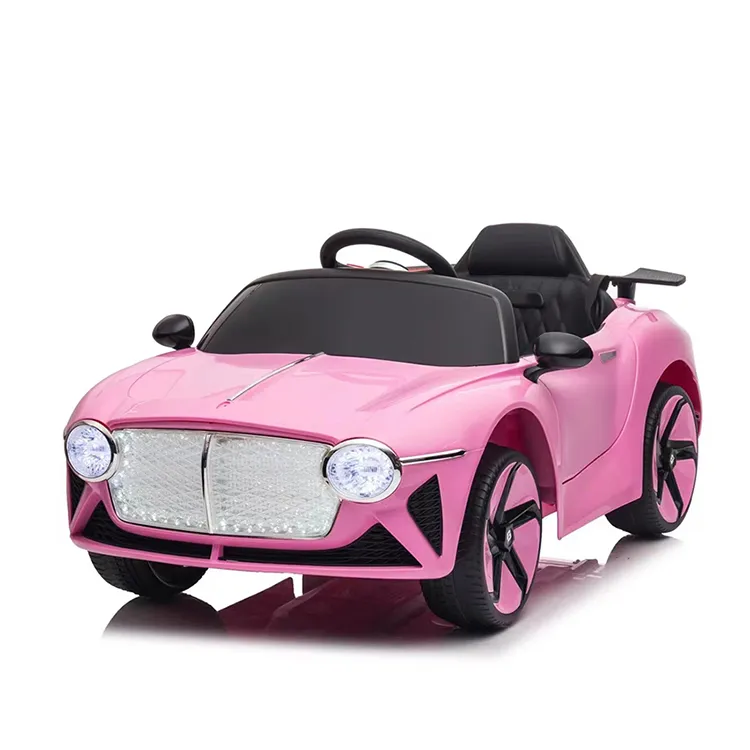
Trend check
Factories report steady upgrades: brush motors to higher-torque 380 sets, 2.4G parental remotes (with soft-start), better PP shells, and thicker wiring harnesses. There’s a noticeable push toward EN71/ASTM compliance and UN38.3 battery testing. Surprisingly, recycled PP content is creeping in—quietly, but it’s there.
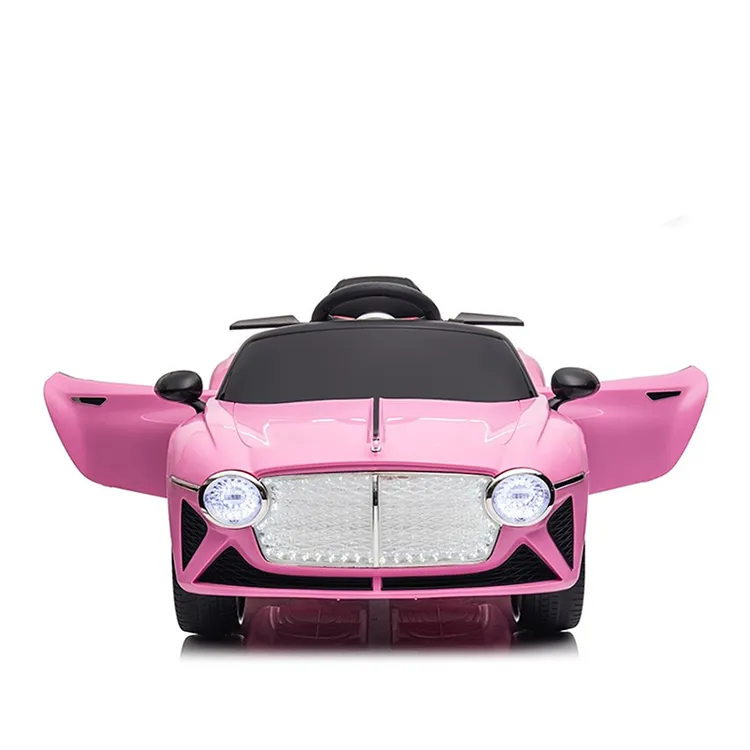
Featured model: N6688 ride-on (unisex, 2–7 years)
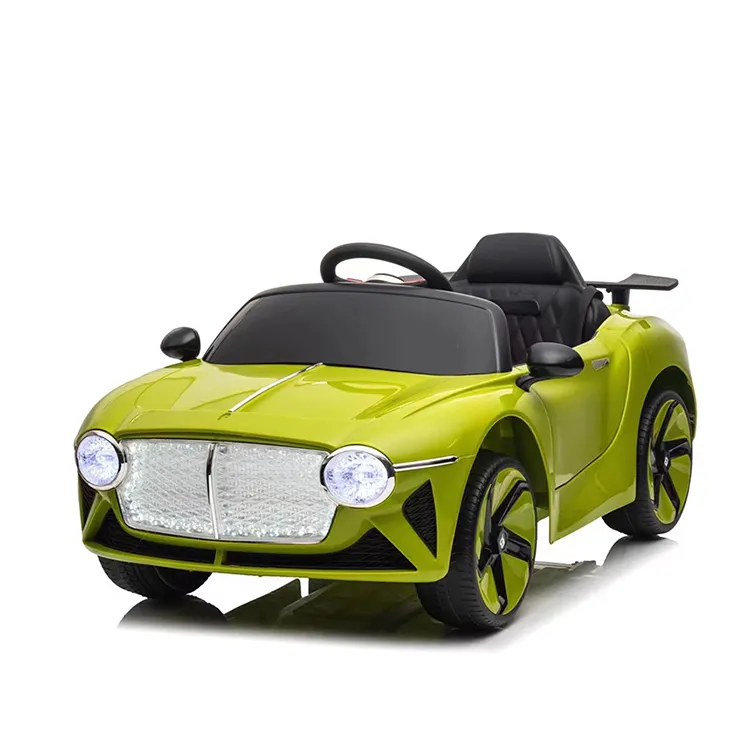
Origin: Pingxiang County Hegumiao Zhen Dong Jia Cun, Xingtai, Hebei. The maker’s “2022 newest factory boys and girls powerful battery operated 4-wheel ride on electric car” runs dual 6V4Ah batteries and twin 380 motors. Real-world speed is around 3–6 km/h with ≈45–60 minutes of runtime depending on terrain and kiddo weight. Many customers say the soft-start and remote override make it less scary for first rides.
| Parameter | Spec (≈ real-world) |
|---|---|
| Model | N6688 Ride-On Toy |
| Age / Gender | 2–7 years, Unisex |
| Battery | 6V 4Ah × 2 (SLA), charge 8–10 h |
| Motor | 380 × 2 pcs |
| Speed / Runtime | ≈3–6 km/h; 45–60 min |
| Load / Slope | ≈30–35 kg; ≤8–10° |
| Material | PP body, steel axle; PP/TPR wheels (option) |
| Remote | 2.4G parental control (optional), soft-start |
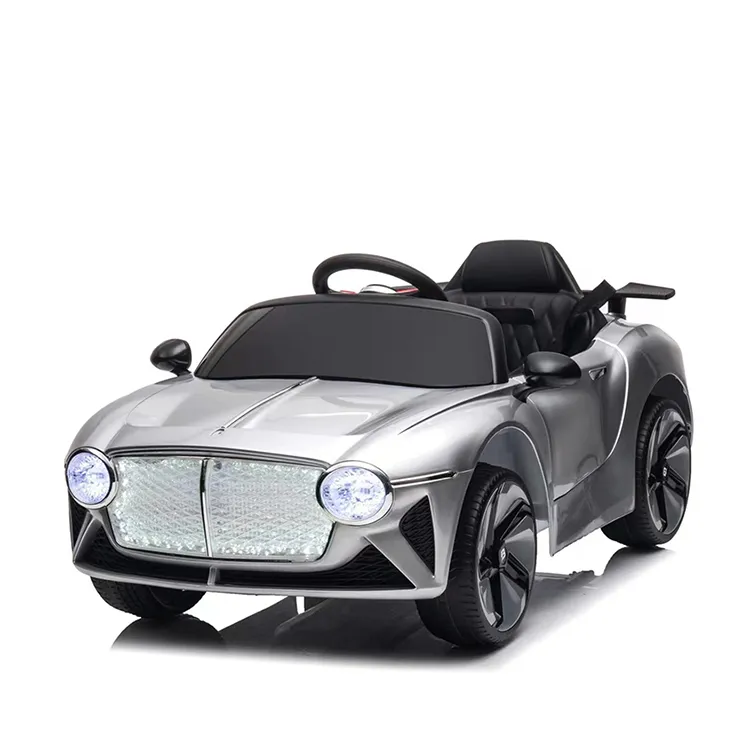
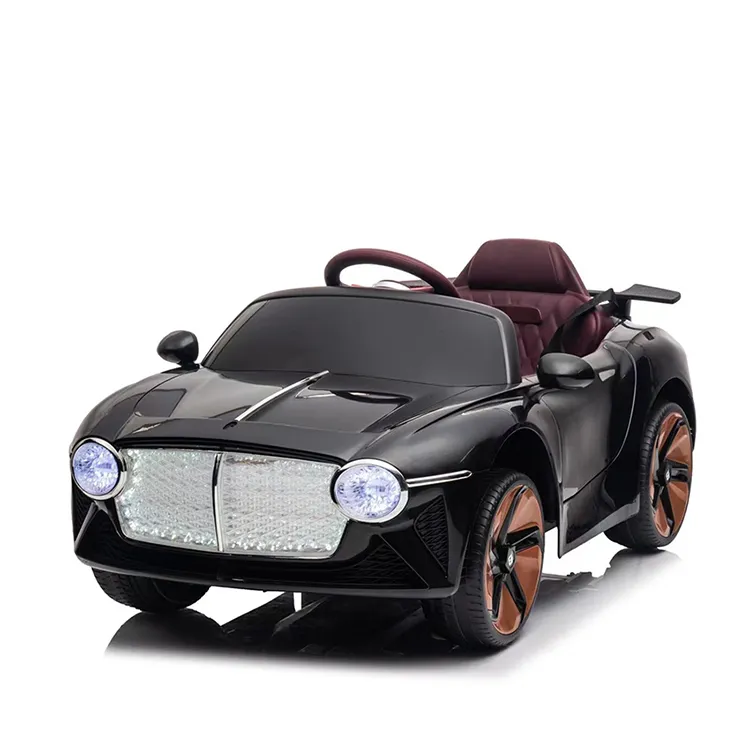
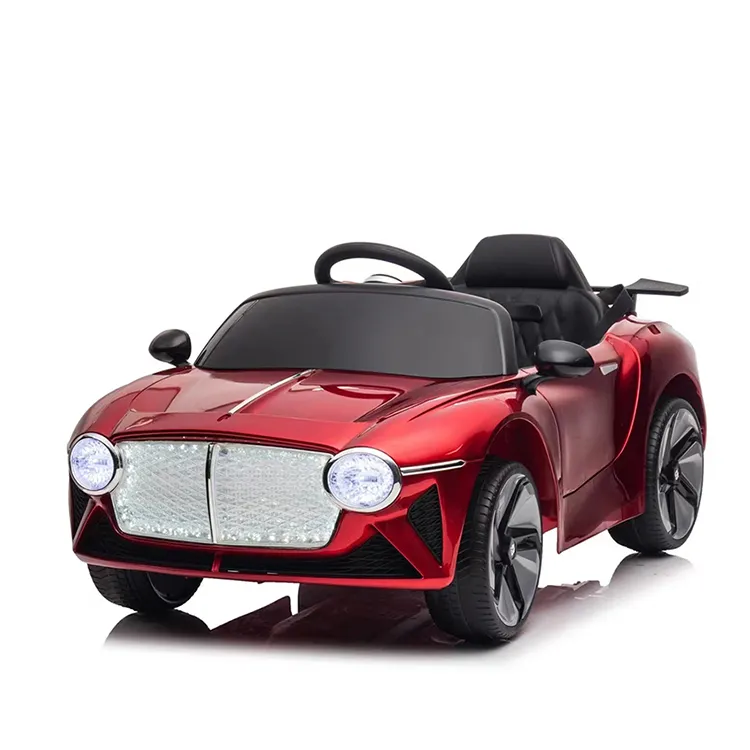
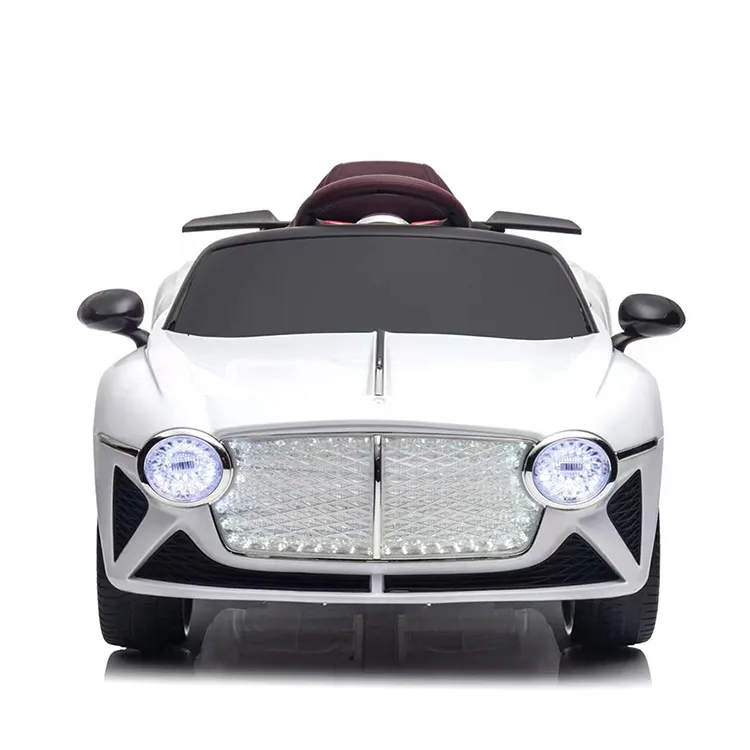
| Colors | Red/White/Pink/Gray/Yellow |
| MOQ | 50 pcs |
| Compliance | ASTM F963, CPSIA, EN71, EN IEC 62115, EMC; UN38.3 (battery) |
Process flow (how it’s actually made)
Materials: virgin/partly recycled PP pellets; copper windings; SLA cells; steel axles. Methods: injection molding; ultrasonic welding; lead-free soldering; loom crimping; final torque check on fasteners. Testing: hi-pot and continuity on harnesses, charger verification, vibration/drop (ISTA 1A-like for packaging), battery UN38.3, toy safety per ASTM F963/EN71, and EMC. Service life: ≈2–3 years for casual home use; ≈250–300 battery cycles before noticeable decline. Industries supplied: e-commerce brands, big-box private label, indoor play centers.
Vendor landscape (quick comparison)
| Vendor | Region | MOQ | Lead time | Certs (typ.) | Remote tech | FOB/unit |
|---|---|---|---|---|---|---|
| FlyKids (Pingxiang Hebei) | North China | 50 | 25–35 days | ASTM, EN71, UN38.3 | 2.4G, soft-start | ≈$62–$78 |
| Vendor B (Yongkang) | East China | 100 | 30–40 days | ASTM, CPSIA | 2.4G basic | ≈$58–$72 |
| Vendor C (Shantou) | South China | 60 | 28–38 days | EN71, EMC | 433 MHz legacy | ≈$55–$70 |
Use cases and quick case notes
Home driveways, gated parks, soft gravel—fine. Wet grass? Manageable, but runtime dips. A European retailer told me returns dropped by 12% after switching to soft-start 2.4G remotes; fewer “jerk” takeoffs. A Middle East distributor said yellow units outsold others 1.3× during holiday promos. It seems parental remote + bright colors is a winning combo.
Customization
OEM/ODM options: body color mix, seat stitching, wheel tread, logo badge, carton artwork, bilingual manuals, and pairing a dedicated 2.4G remote per unit (avoid cross-interference). For branding, low-MOQ pad prints are common; molded-in logos need new tooling.
Bottom line: the better remote control atvs for kids factories are obsessing over safety electronics and battery QA, not just shiny plastics. If you’re sourcing, ask for recent EN71/ASTM and UN38.3 reports, real runtime data, and a video of the soft-start. That’s where you separate marketing from engineering in remote control atvs for kids factories.
References
- ASTM F963 – Standard Consumer Safety Specification for Toy Safety: https://www.astm.org/f0963-17.html
- EN 71 – Safety of Toys (CEN): https://standards.cen.eu
- EN IEC 62115 – Electric toys safety: https://webstore.iec.ch
- UN 38.3 – Lithium/Rechargeable Battery Transport Tests (UN Manual): https://unece.org
- CPSIA – U.S. Children’s Product Regulations (CPSC): https://www.cpsc.gov/Regulations-Laws--Standards
-
Baby Strollers Sale for B2B Buyers | Durable & Affordable from Fly Kids ToyNewsDec.09,2025
-
Baby Strollers Double: Durable, Efficient Solutions for B2B Childcare ProvidersNewsDec.09,2025
-
Affordable and Safe Baby Strollers: Finding Quality on a BudgetNewsDec.09,2025
-
Baby Joggers Strollers – The Ultimate Guide for Active FamiliesNewsDec.08,2025
-
Baby Girl Travel System Strollers: Ultimate Guide to Safety, Comfort & StyleNewsDec.08,2025
-
Best Baby Girl Car Seats and Strollers – Safe, Stylish & TrustedNewsDec.08,2025
 English
  Arabic
  China (Taiwan)
  Czech
Czech  French
  German
  Greek
Greek  Hindi
Hindi  Indonesian
  Italian
  Malay
Malay  Polish
  Portuguese
  Russian
  Spanish
  Thai
Thai  Turkish
  Ukrainian
  Uzbek
Uzbek